
Outdoor Spaces That Fit Your Property
Cape Fear Commercial Lawn Service Inc provides full-service landscaping for residential and commercial properties in Fayetteville, North Carolina.
Your property in Fayetteville may have full sun in the front yard and dense shade along the back fence, with soil that drains fast in some spots and stays wet in others. Planting the same shrubs everywhere leads to uneven growth, dead zones where roots rot, and bare patches where nothing thrives. Landscaping that works accounts for these variations from the start, matching plants to light levels, soil moisture, and seasonal temperature swings common in North Carolina.
Cape Fear Commercial Lawn Service Inc handles new landscape installations and updates to existing layouts, focusing on curb appeal and outdoor usability. This includes plant selection, bed preparation, mulching, sod installation, and coordination with irrigation systems to keep everything watered correctly. Projects are designed to match local climate and soil conditions, whether you are filling in a blank yard after new construction or refreshing tired plantings around an office building or retail space.
Request a landscaping consultation to see how your property in Fayetteville can support healthy plants and a layout that fits how you use the space.
30
Years Of Experience
Matching Plants to the Conditions They Need
The work begins with walking the property to note sun exposure, drainage patterns, and existing plant health. In Fayetteville, clay soil is common and holds moisture longer than sandy loam, so beds may need amendment with compost or sand depending on what you are planting. Shrubs, perennials, and ground covers are selected based on mature size, water needs, and whether they can tolerate summer heat and occasional winter freezes.
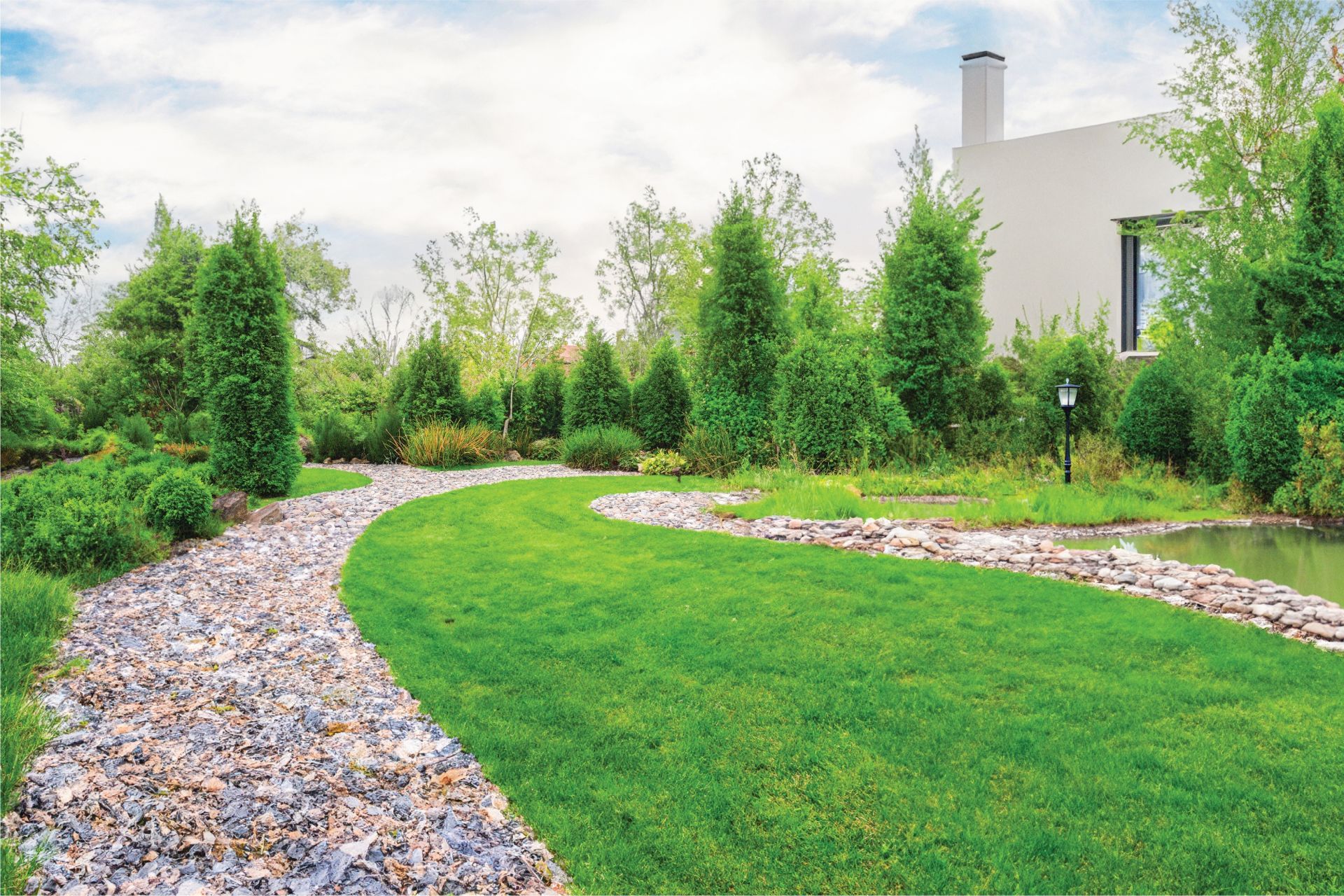
Once planting is finished, beds have a clean edge and a layer of mulch that holds moisture and regulates soil temperature. Plants establish faster because they are placed in conditions they can tolerate, and irrigation zones are set to deliver water where it is needed without oversaturating areas that drain slowly. Turf areas connect to planted beds without gaps, and pathways or borders define spaces so foot traffic does not compact root zones.
This service includes site preparation, planting, and mulching, but does not cover ongoing maintenance such as pruning, fertilization, or seasonal bed cleanups. It also does not include hardscaping installation or structural changes to grading. The goal is to create a functional layout that looks intentional and supports plant health from the beginning.
Concerns That Homeowners Often Raise
People planning landscaping projects in Fayetteville typically want to know how plant choices are made, what happens to the soil before planting, and how long it takes for everything to fill in. The questions below address those details.
Neighborhoods and commercial properties across Fayetteville benefit from landscaping that accounts for local sunlight, soil, and seasonal conditions. Cape Fear Commercial Lawn Service Inc plans and installs layouts that support plant health and improve how your outdoor space looks and functions. Get in touch to schedule a consultation and start building a landscape that works for your property.
